The Resilient Home: How Building Science Helps Homes Weather Storms and Power Outages
Using current knowledge about building science helps to weather storms
One benefit of a high-quality new custom home is that it can better handle severe weather events and power outages- both of which are increasingly common across the country. From Atlantic hurricanes that routinely leave millions without electricity to West Coast outages caused by atmospheric rivers, power loss is no longer unusual. In recent years, summer monsoons knocked out power for thousands of Phoenix residents, while severe winter storms caused widespread outages in the Northeast.
Outages don’t always require extreme weather. The massive 2003 blackout, which affected more than 11 million people from Ontario to New Jersey, was caused by a software glitch; a reminder that grid failures can happen anytime.
Power outages affect all homes, no matter how well built. But a new custom home built using modern building science can stay comfortable much longer without heating or cooling. “It’s called passive survivability,” says Alex Wilson, president of the Resilient Design Institute in Brattleboro, Vermont. “It’s about building homes that remain habitable if they lose power.”
Building Science and Passive Survivability
The design and construction principles Wilson advocates are routinely used by the best professional builders and remodelers. This building science approach includes:
- Higher R-value insulation in walls, roofs, and ceilings

- Careful air sealing to reduce energy loss
- High-performance windows that provide passive solar gain
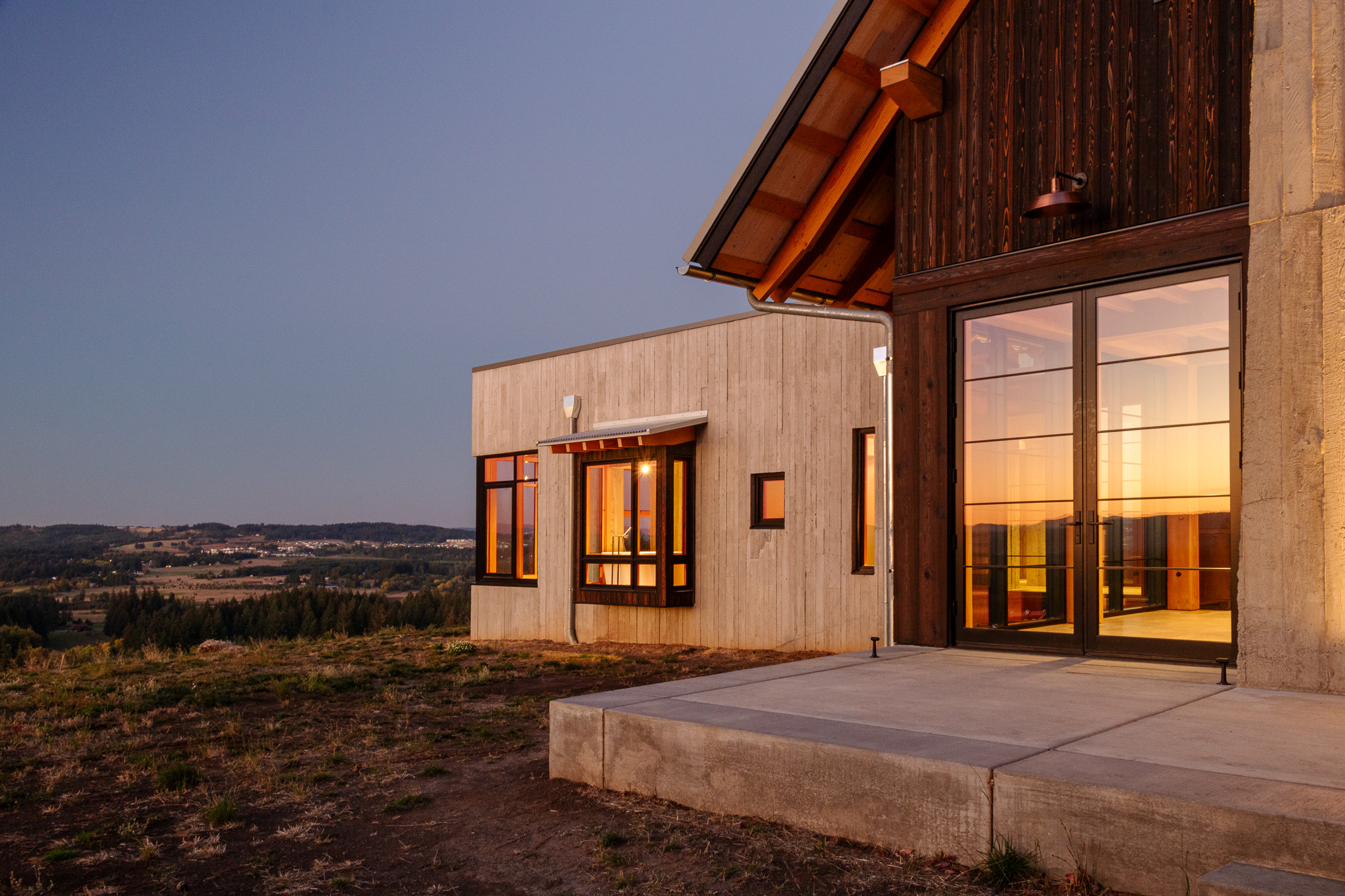
Together, these improvements can keep a home habitable for days without power. Homeowners who want additional protection may add solar panels, backup generators, or home battery systems. A 10 kWh battery, for example, can run a refrigerator, furnace, or heat pump, and several basic circuits for up to 12 hours.
Structural Strength and Moisture Protection
A resilient home also includes strong structural and moisture-management details. Features such as hardware tie-downs and plywood shear panels help roofs and walls resist high winds. Proper waterproofing keeps wall and roof assemblies dry even during intense rain, snow, or ice storms.
In regions exposed to windborne debris, such as hurricanes or tornadoes, some homeowners choose impact-resistant windows. While more expensive, these windows reduce the risk of a breach that allows wind and water to enter the home.
Resilience Pays Off Every Day
One of the best aspects of resilient construction is that it delivers benefits even when the home never loses power. Proper waterproofing reduces long-term maintenance and the risk of mold and mildew. Insulation and air sealing lower monthly energy bills while creating a quieter, more comfortable living environment.
Why Experience Matters
Building science must be applied correctly to work. Crews need to understand the specific flashing details required by modern windows and doors, which vary by manufacturer. Insulation and air sealing must also be designed to manage moisture properly- and those methods change depending on climate.
Building science has advanced significantly in recent years, which is why it’s important to work with a builder who is educated, experienced, and current in best practices. In other words, resilient homes require an educated professional.
|


-Winsome Construction is a custom luxury home builder, crafting high-performance homes throughout Portland, Bend, the Willamette Valley, and the North Oregon Coast. We invite you to stay connected with us by subscribing to our monthly newsletter (enter your name and email below) or calling us today at 503-472-7402.
Categories: Blog, High Performance Construction, Home Technology, ICF Construction, Newsletter, Sustainable