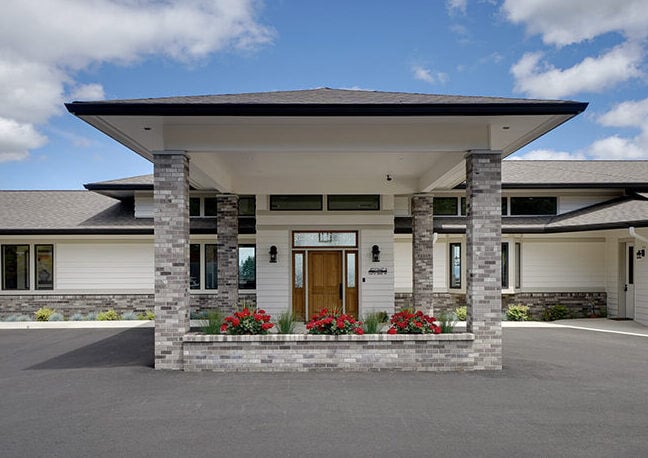
Multigenerational Home Design: A Home That Works for Every Stage of Life
The best accessible features aren’t just practical- they’re simply good design.
More families than ever are living under one roof. As of 2026, 17% of home purchases are multigenerational, up from 11% in 2021. Today, nearly 60 million Americans (about 1 in 5) live in homes with two or more adult generations.
As housing costs rise, combining households is often a smart financial decision. But it also raises an important question:
How do you design a home that supports aging and accessibility without feeling clinical?
The answer lies in thoughtful, well-executed design. When done right, an accessible home feels seamless, beautiful, and comfortable for everyone, while also increasing long-term resale value.
Seamless Entry: Designing Easy Access Points
Creating easy access in and out of the home is one of the most impactful design decisions.
Ideally, there are no steps between key areas, including the garage, front entry, and outdoor living spaces. When that’s not possible, incorporating gentle slopes or flat transitions to patios and decks can make a significant difference.
These features don’t just benefit older adults. Anyone carrying groceries, managing kids, or recovering from an injury will appreciate a smoother transition.
Smart Hardware Choices That Improve Everyday Living
Small details can have a big impact.
Lever-style door handles, for example, are easier for people with arthritis, but they’re also more convenient for anyone with full hands. These subtle upgrades enhance usability without changing the look or feel of the home.
Main-Level Living: Planning for Long-Term Flexibility
A first-floor bedroom with an en suite bathroom is one of the most valuable features in a multigenerational home.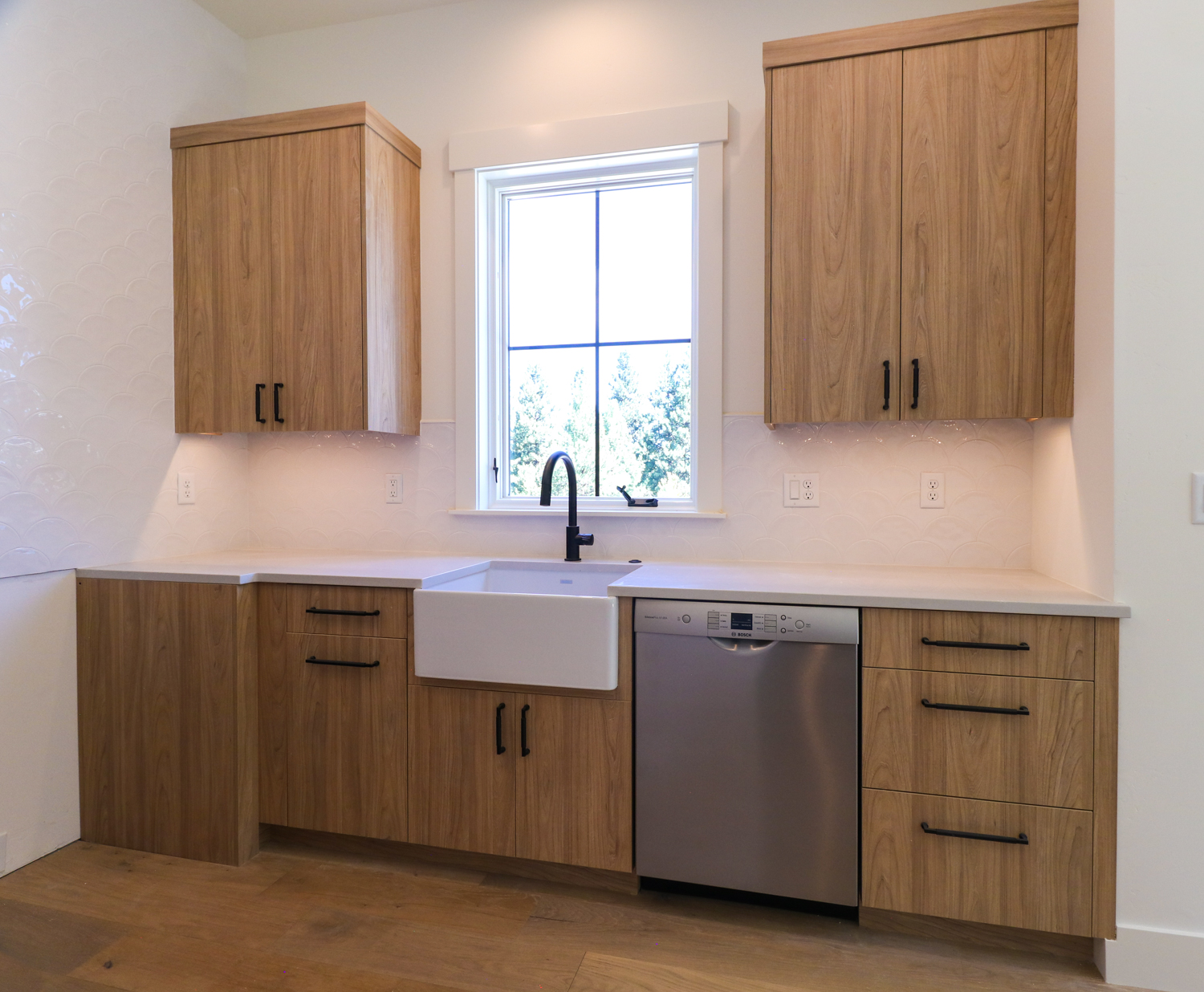
This space can serve many purposes over time:
- A private suite for aging family members
- A comfortable guest retreat
- A home office or flex space
Designing with ample clearance around the bed ensures ease of movement and allows for future adaptability if mobility needs change.
 Curbless Showers and Future-Ready Bathrooms
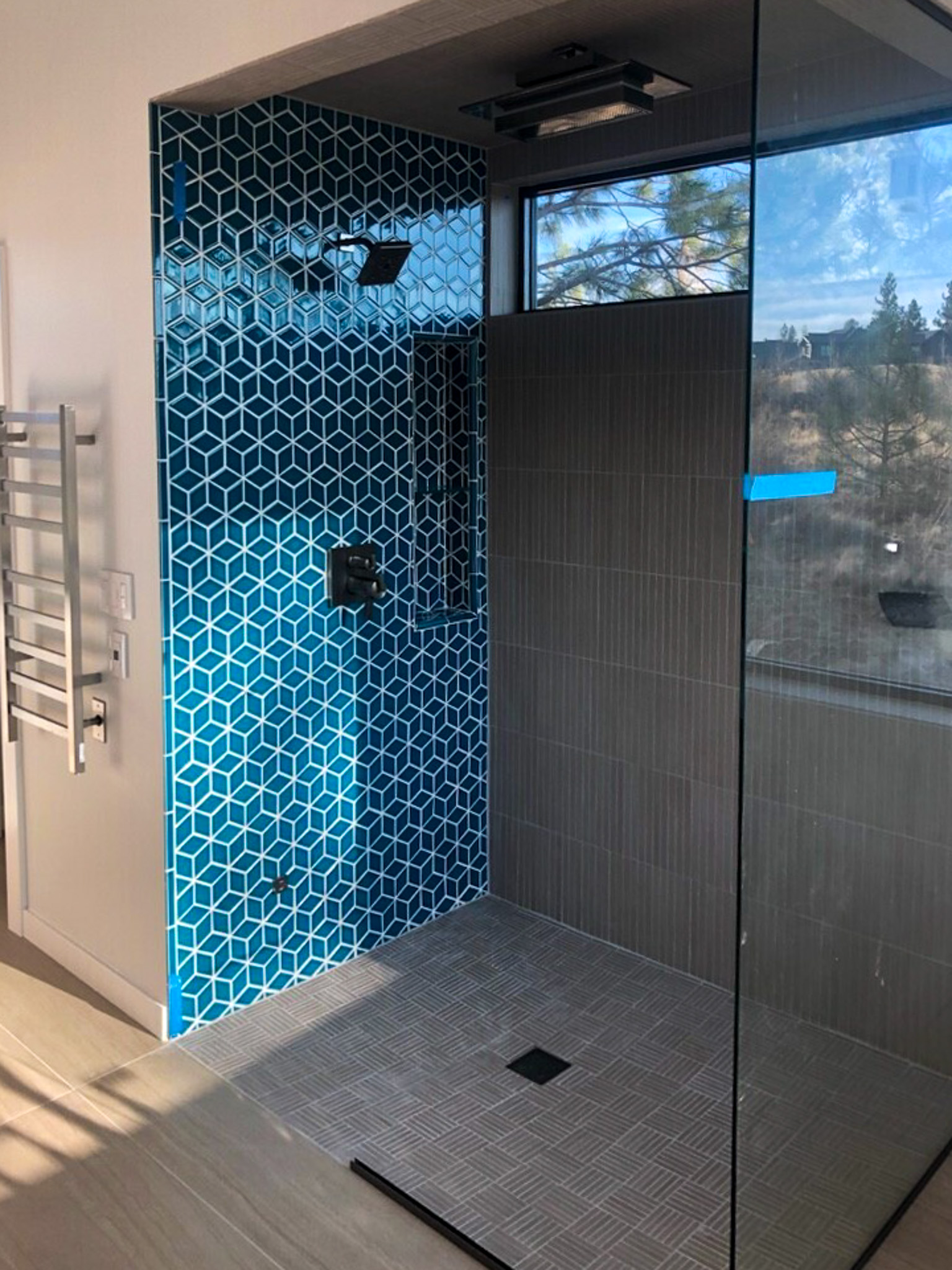
Bathrooms are one of the most important areas to plan for accessibility.
A curbless (zero-entry) shower eliminates tripping hazards while creating a clean, modern aesthetic. Even if grab bars aren’t needed now, adding blocking behind the walls allows them to be installed later without renovation.
Dual-access bathrooms- connecting to both a bedroom and a hallway- can also improve functionality for guests and shared living.
Wider Spaces That Feel Better to Live In
While building codes allow for three-foot-wide hallways, expanding to four feet creates a more open, comfortable feel- and allows space for walkers or wheelchairs if needed.
If widening hallways isn’t ideal, consider wider interior doors. A small increase in width can make a big difference for accessibility while also simplifying furniture movement.
Lighting and Contrast for Safety and Style
Good lighting is essential in a home designed for all ages.
Incorporate:
- Increased natural and layered lighting
- Contrast between surfaces
- Low-level pathway or stair lighting
These elements improve visibility, reduce fall risk, and enhance the overall atmosphere of the home.
Thoughtful Materials That Support Everyday Living
Material choices can also improve both safety and comfort.
- Induction cooktops stay cool to the touch, reducing burn risk
- Hard surface flooring is easier for mobility devices and reduces allergens
- Durable, low-maintenance finishes simplify daily life for everyone
Designing for Today- and What Comes Next
The goal isn’t to include every accessibility feature. It’s to design with awareness and flexibility from the start.
That mindset leads to homes that:
- Adapt as needs change
- Feel comfortable for every generation
- Maintain strong long-term value
Accessible design isn’t about limitation- it’s about creating a home that works better for everyone, every day.
|


-Winsome Construction is a custom luxury home builder, crafting high-performance homes throughout Portland, Bend, the Willamette Valley, and the North Oregon Coast. We invite you to stay connected with us by subscribing to our monthly newsletter (enter your name and email below) or calling us today at 503-472-7402.
Categories: Blog, Custom Home Builders Bend OR, Custom Homes, Interior Design, Newsletter